Guide · 5 minute read
Barcode vs RFID for fixed asset tagging
Both give every asset a unique number on a label. The difference is how the label is read, what it costs, and how fast the next count goes. This article compares them from tagging projects in offices, plants and warehouses in Egypt, so you can choose what fits your assets.
Barcode: the number read by sight
A barcode label carries the asset number as bars or a QR square. It is read by a phone camera or a scanner, one asset at a time, and the reader must see the label directly. The label is very cheap and prints from any label printer.
Barcode suits offices, branches and assets that stay in place: furniture, computers, monitors, printers, small equipment. A barcode count is much faster than a paper count, but the team still has to reach every asset and scan it.
RFID: the number read by radio
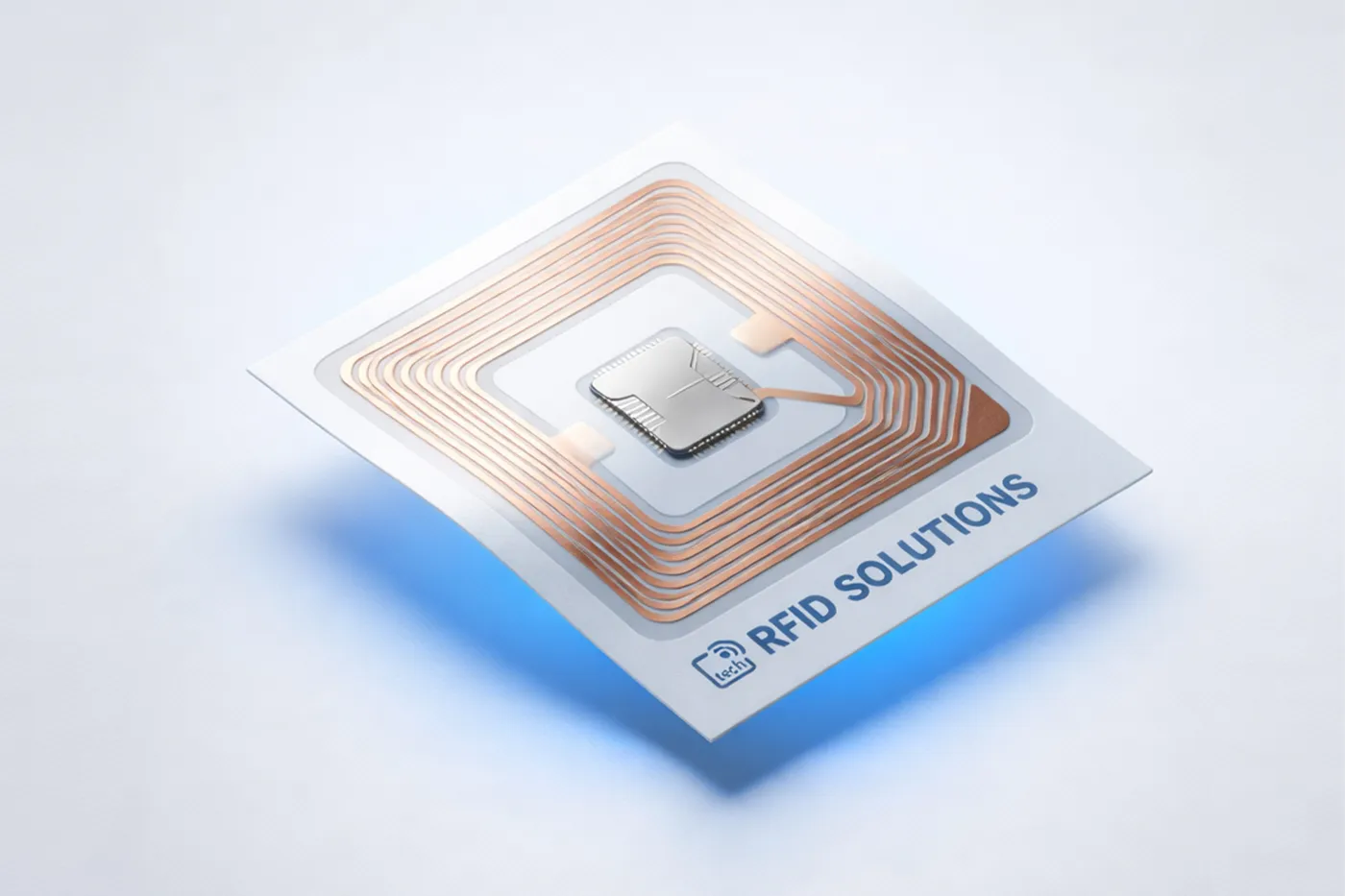
An RFID label holds a small chip and antenna and is read by a reader from a distance, without seeing the label. The reader picks up dozens of labels in seconds, so a whole room can be counted in minutes instead of an hour. There are on-metal types and hard tags for outdoor use and heavy equipment.
Label and reader cost more than barcode, and mounting on metal needs the right type or the read fails. The real gain shows with assets that move a lot and counts that repeat: warehouses, plants, hospitals, rented equipment.
A practical comparison
The points that actually decide the choice:
- Label cost: barcode far lower. RFID higher, and higher again for on-metal types.
- Count speed: barcode one asset at a time. RFID dozens of assets per sweep.
- Line of sight: barcode must be seen. RFID reads unseen, even behind the asset.
- Durability: both come in industrial materials. Hard RFID tags are strongest outdoors and on equipment.
- Metal and liquids: barcode unaffected. RFID needs a special type on metal surfaces.
- Devices: barcode with any phone. RFID needs a dedicated reader.
- Tracking: barcode records an asset when scanned. RFID can watch gates and detect assets leaving.
So which one?
If your company is offices and branches, assets stay in place and you count once a year: barcode is enough, and the saved cost goes elsewhere.
If you run a plant or warehouse, have thousands of assets that move, or need monthly counts or gate monitoring: RFID pays for itself within the first two counts.
In many projects the mix is best: RFID for equipment and warehouses, barcode for furniture and offices. What matters is one asset number in the system whatever the label type.
Common tagging mistakes
We see them in most registers we take over:
- A paper label in a humid or hot place: ruined within months.
- A standard RFID label on a metal surface: it does not read.
- The label in a different spot on every asset: the team wastes time looking for it.
- The label number not linked to the asset number in the system: the count ends with two tables that do not match.
- Tagging without a count: the label is on, but the asset's data was never recorded.
Frequently asked questions
Can I start with barcode and move to RFID later?
Yes, as long as the asset number stays fixed in the system. The new label takes the same number and the next count uses the new reader.
From how far does an RFID label read?
Common passive types read from one to several metres depending on the reader and the surface the label is on. Metal and liquids reduce the range.
How long does a barcode label last?
Industrial polyester or vinyl labels last years in offices and covered warehouses. For outdoor sites and hot equipment we use metal plates or hard RFID tags.
Do I need to buy an RFID reader?
If a specialised company runs the count, it brings the reader. If your own team will count repeatedly, one handheld reader per site is enough.
Not sure which one fits your assets?
DataSync tags with barcode and RFID, chooses with you by asset type and environment, and counts and reconciles in the same visit.
See how we work